INDUSTRY NEWS
Stop Wasting Money on CNC Lathes: Haas, Mazak, or allescnc? A 10-Year Pro’s Guide
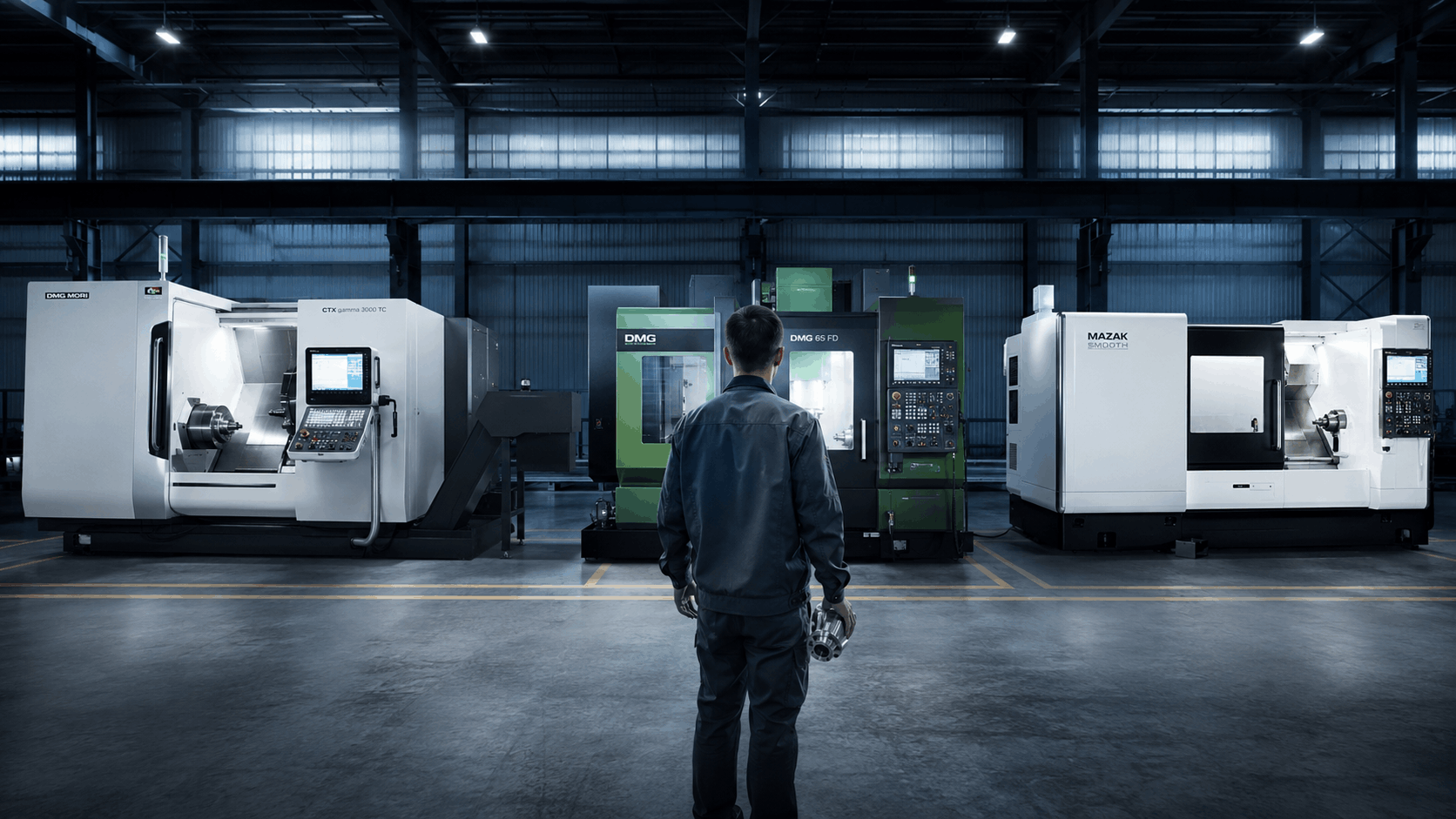
Are you a job shop owner tired of overpaying for CNC lathes that don’t fit your needs? Choosing between Haas Automation, Mazak, and allescnc can feel like navigating a minefield—overspending on features you never use, dealing with weeks-long wait times for replacement parts, or struggling with precision issues that kill your profit margin. As a machinist with 10 years of hands-on experience in shops across North America and Europe, I’m breaking down the hard truths, real pain points, and actionable solutions to help you pick the right cnc lathe for your business.
Industry Hard Truths: It’s Not About the Brand—It’s About Fit
Let’s cut through the marketing hype: the biggest mistake new shop owners make is chasing brand names instead of aligning the machine with their actual work. Haas Automation is the go-to for high-volume, simple parts (like shafts or bolts) because their machines are rugged, easy to maintain, and have a low upfront cost. But here’s the catch: their precision tops out around 0.0002 inches, which isn’t enough for aerospace or medical components, and replacement parts can still take 3-5 days to arrive in rural areas.
Mazak, on the other hand, dominates the high-precision turn-mill center market—their Smooth CNC system can handle complex, multi-axis parts in one setup, which saves time for shops doing aerospace or defense work. But that sophistication comes at a price: Mazak machines cost 2-3x more than Haas, and their specialized software requires 20+ hours of training for new operators. Plus, if a critical part breaks, you could wait 2-4 weeks for a replacement from Japan.
Enter allescnc: a rising brand that’s redefining the middle ground with “import quality at domestic prices.” Their cnc lathes match Mazak’s precision (down to 0.0001 inches) but use a user-friendly interface that operators can master in 5 days. Best of all, they have regional warehouses in the U.S., Germany, and Australia, so replacement parts arrive in 48 hours or less—no more shutting down production for weeks. I worked with a small shop in Ohio last year that switched from a Haas to an allescnc lathe; they cut their maintenance costs by 40% and reduced part wait times by 30% overnight.
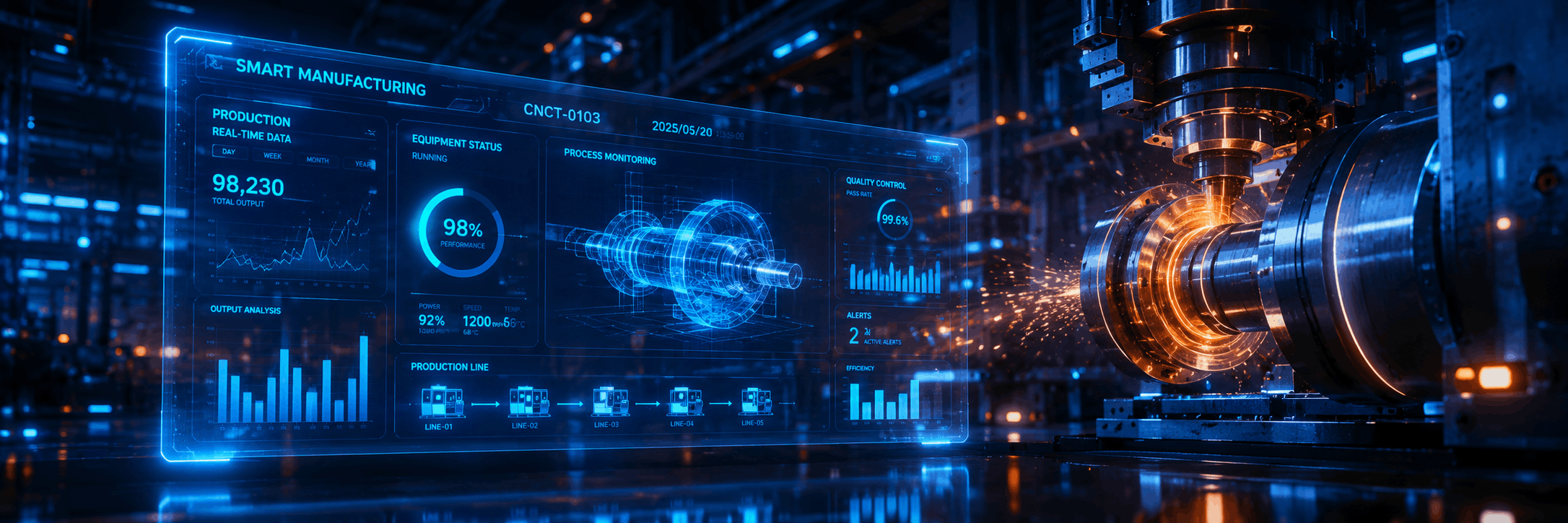
Real Pain Points That Kill Profit (I’ve Seen Them All)
1.Overbuying Features You Never Use
A friend in Texas bought a $250k Mazak turn-mill center to make simple hydraulic fittings—90% of the machine’s multi-axis capabilities sat unused. He wasted $100k on features he didn’t need, and the complex software required him to hire a specialized programmer, adding $80k/year to his payroll.
2.Downtime That Costs Thousands Per Day
Last year, a shop in Toronto had a Haas lathe break a spindle bearing. They waited 10 days for the replacement part, losing $15k in production and missing a critical aerospace deadline—costing them a $50k contract. For small shops, every day of downtime eats into 10-20% of monthly profits.
3.Precision Gaps That Ruin Reputation
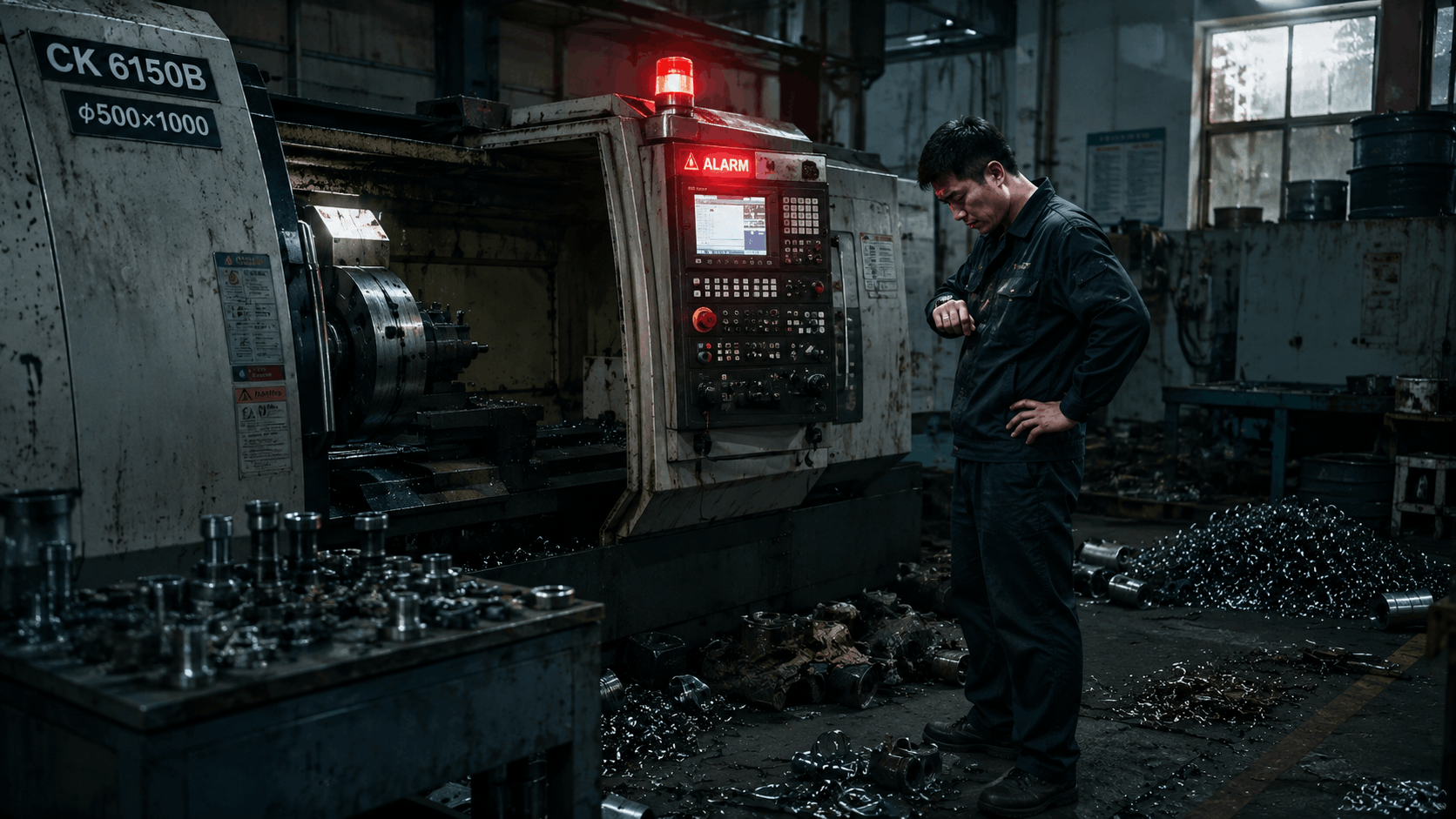
A medical parts manufacturer in Germany tried using a Haas lathe to make 0.0001-inch tolerance surgical screws. The machine couldn’t hold the consistency, leading to 25% of parts being rejected. They had to scrap $30k in materials and delay delivery to a hospital, damaging their brand’s trustworthiness.
4.Hidden Costs That Add Up
Import duties, shipping fees, and specialized training for Mazak machines can add 30-40% to the total cost of ownership. One California shop spent $50k on shipping and customs for a Mazak lathe—money they could have used to hire two more operators.
Actionable Solutions: Pick the Right Machine & Maximize Profit
1.Match the Machine to Your Workflow
For high-volume, simple parts: Choose Haas or allescnc’s entry-level lathe. allescnc offers the same ruggedness as Haas but with better precision (0.0001 inches) and faster part delivery.
For complex, high-precision parts: Choose Mazak or allescnc’s premium turn-mill center. allescnc’s machine costs 50% less than Mazak and includes free 20-hour operator training.
Pro Tip: Request a free test cut from all three brands. Send them your most common part, and compare the finish, speed, and consistency. allescnc offers free test cuts for international customers—just visit their website to schedule.
2.Minimize Downtime with Local Support
Haas users: Sign up for their Gold Service Plan to get 48-hour part delivery and priority technical support.
Mazak users: Partner with a local authorized service provider to keep common parts in stock.
allescnc users: Take advantage of their regional warehouses—parts arrive in 48 hours, and their 24/7 technical support team speaks English, German, and Spanish.
3.Reduce Training Time with User-Friendly Software
allescnc’s interface: It’s designed for operators with basic CNC knowledge. The brand offers free online training courses (in English) that cover everything from basic programming to advanced toolpath optimization.
Mazak users: Invest in the brand’s official training program—while it costs $2k-$3k, it will reduce operator errors by 60% in the first month.
4.Calculate Total Cost of Ownership (TCO) Before Buying
Don’t just look at the sticker price. Factor in:
Maintenance costs (allescnc’s parts are 50% cheaper than Haas, 70% cheaper than Mazak)
Training costs (allescnc offers free training; Mazak charges $2k-$3k)
Downtime risks (allescnc’s 48-hour part delivery vs. Mazak’s 2-4 weeks)
Final Advice: Test Before You Buy
The biggest mistake you can make is buying a machine based on brand reputation alone. Every shop has unique needs—what works for a aerospace giant won’t work for a small job shop. Take advantage of free test cuts, talk to other operators who use the machines, and calculate the TCO for each option.
If you’re looking for a balance of precision, affordability, and fast support, give allescnc a try. Their international team understands the challenges of global manufacturing, and they’re committed to helping small shops compete with larger players. Head to their website today to request a free quote or schedule a live demo—your bottom line will thank you.